Liminality
At this time of year, time goes out of the window. During the rest of the year (and even during the summer holidays (I teach in my other guise) I'm very aware of time; deadlines to meet, lessons to plan for, bills to be paid and bins to be put out. But around Christmas and new year, all of that is misplaced, especially in the week between Christmas say and New Years Eve. We have birthdays around this time, me on the 26th and Maz on 30th, but even with these dates to anchor us, I have no concept of what day it is (although I managed to put my bins out on the correct day but apparently the collectors have also lost track of the days...)
This time, referred to by some as 'Betwixtmas' is definitely a liminal space. It isn't Christmas, but it isn't yet time to be back at work properly. I should probably be working, but I don't yet feel guilty that I'm not.
This liminality of time has had me thinking about how much liminality is an important feature in our work. If you attend one of our shows you will likely have experienced this.
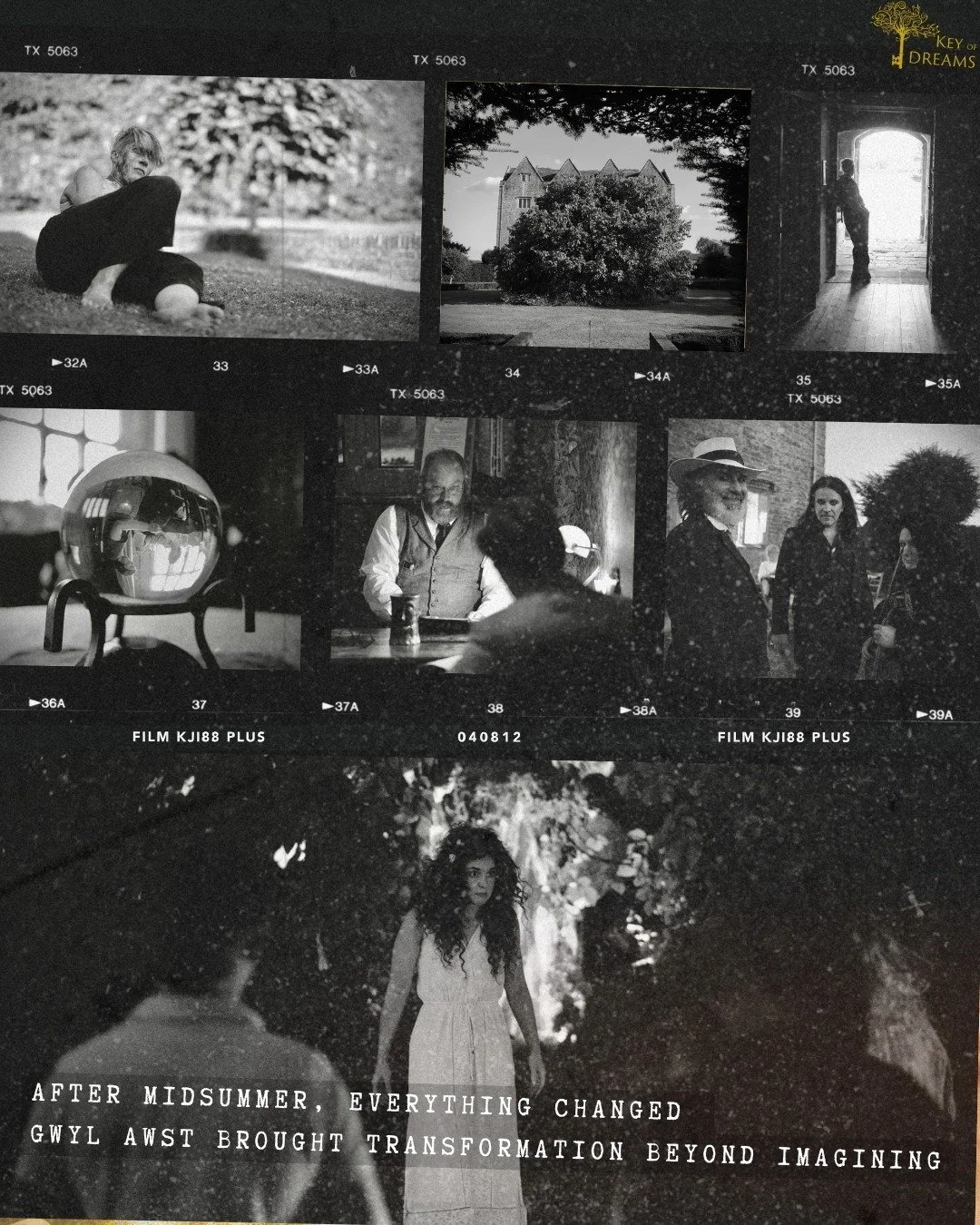
The Key of Dreams exists in a liminal space. It is set in the present, but feels out of time; it is a fiction, but it feels remarkably real when you are in it. We've tried to create a relatively gentle on-ramp for the experience, which works to a greater or lesser extent depending on the guest and their expectations, but once they are through the sense of early overwhelm at how much you could do, and have settled on a path, most guests say it feels very real. The characters feel like people (our actors are exceptional!) and you develop a real connection to them, caring deeply about what happens making the stakes very real and believable. I've been told by many guests that the transition back to the real world is harder after having existed in the strangeness of the house for 24 hours.
So how does this happen and why does it matter?
The Key of Dreams, is not a role-playing game. While it certainly shares some DNA with LARPs and TTRPGs the strange liminality comes because it is not this. When you play a game, you know the rules. Before you begin, you know the rules of engagement, you have a character, either one you have created or been given, which likely has skills and stats. You then work with the other players to create the story using your skills and making choices in a collaborative way (even if it might be quite combative in nature).
In our experiences, you are not playing a character (unless you are - in which case go for it no one will mind), but you are engaging in the world as yourself. You get to make choices which will affect the people around you, that will reflect on you and on which you will be judged by the characters, your fellow attendees and, most importantly, you.
If faced with a character that is on a nihilistic path to self destruction, do you try to talk them out of it? What if that same path could get answers and other characters really want to see it happen? So you make a choice, you see the outcome of that choice unfold before you and then you have to face those characters and your friends the next morning, sit at breakfast knowing what you did and the effect it had. And then you have one last chance to get out it right or, and lets face it this is the more likely option, make it worse.
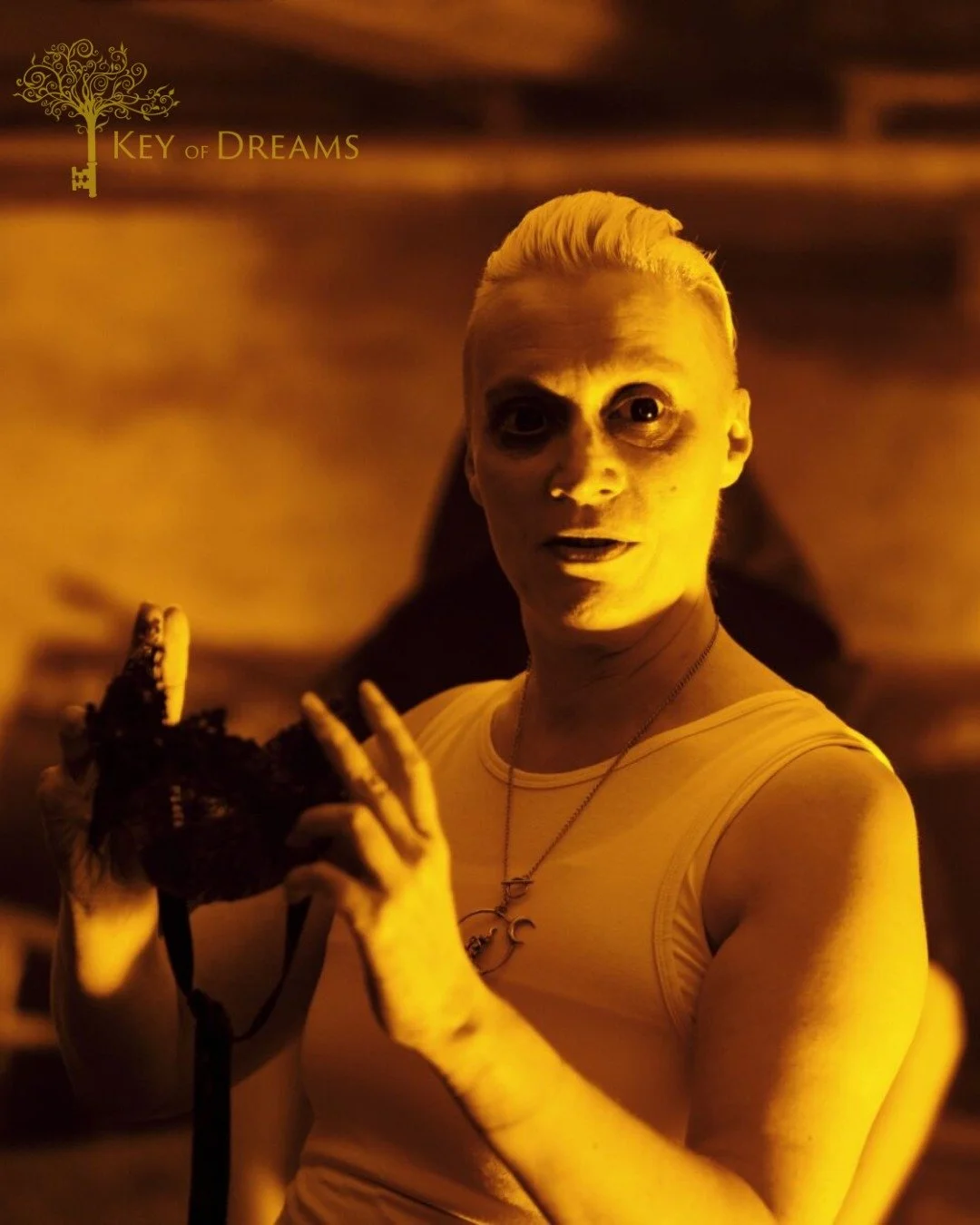
In a role-playing game, you will be told what happens, you may even be told what to feel through role-play effects - and there is nothing wrong with this, some of my best LARP moments have been as a result of a small piece of paper given to me at the culmination of a ritual - but we do not have that. There is not that degree of separation in which you are easily reassured it is just a game. This leaves you in a strange and liminal space. One in which it can be very hard to know where the show ends and reality begins. As a result, you leave with not just the experience of having been part of the show, and with feelings about what you saw and experienced, but potentially with a new view of yourself, and what, under these very strange circumstances, you are capable of.
As we race towards 2026, and the end of this strange time comes to its close for another year, I raise a glass to toast liminality and the opportunities to explore who we may be, away from the everyday pressures and routines.
Happy New Year.